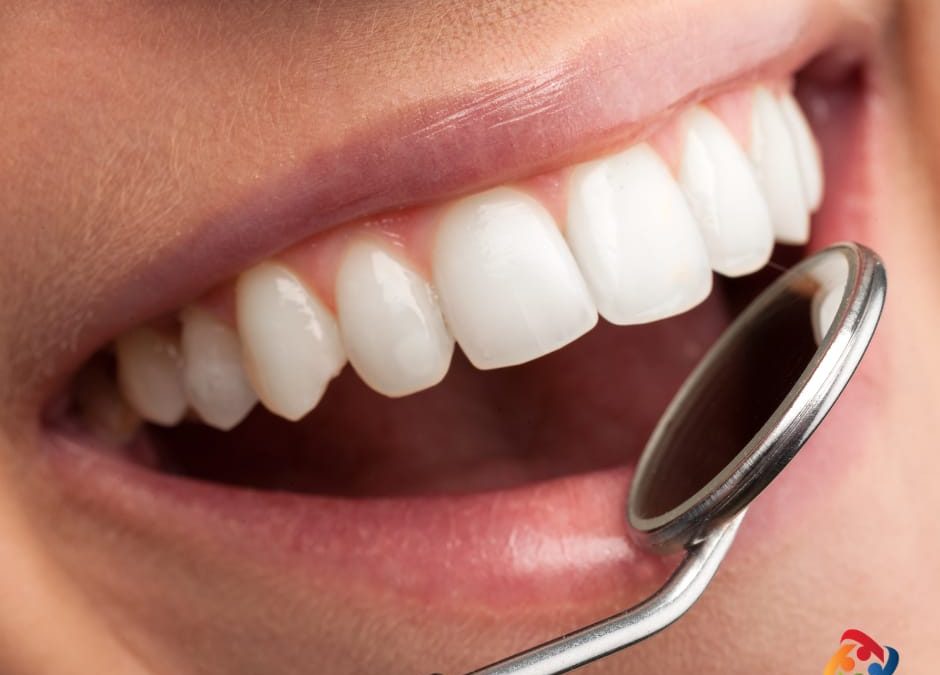

Back to School Smiles:  Essential Tips for Maintaining Great Oral Health!

Back to School Smiles: Essential Tips for Maintaining Great Oral Health!

Back to school is an exciting time for students, but it also brings about new schedules and routines. Among all the hustle and bustle, it’s important not to neglect oral hygiene. Good oral health not only contributes to a confident smile but also plays a significant role in overall well-being. To help students maintain good oral hygiene, here are some essential tips to keep in mind as you head back to school.

Let’s start with horses. Did you know that horses have teeth that continuously grow throughout their lifetime?

1. Stick to a routine: Establishing a regular oral care routine is crucial in maintaining good oral hygiene. Make sure to brush your teeth at least twice a day: once in the morning before school and again before bed. Don’t forget to floss daily as well. Set a reminder on your phone or keep a small dental kit handy in your school bag to ensure that you never miss a brushing or flossing session.

2. Pack dental essentials: Have a dental kit with you at all times. Include a toothbrush, toothpaste, floss, and a small mouthwash bottle. These essentials will allow you to maintain your oral care routine throughout the day, especially if you eat lunch at school. After lunch, simply excuse yourself to the restroom and give your teeth a quick brush. This will help remove any food particles and keep your breath fresh.

3. Choose tooth-friendly snacks: Starchy and sugary snacks can contribute to tooth decay and cavities. When packing your school snacks, opt for tooth-friendly options like fruits, vegetables, cheese, and nuts. These not only nourish your body but also help maintain good oral health by stimulating saliva production, which neutralizes acids and fights harmful bacteria in your mouth.

4. Drink water throughout the day: Water is essential for staying hydrated but also acts as a natural rinse for your teeth. Drinking water throughout the day helps wash away food particles and keeps your mouth moist, reducing the risk of bacteria build-up and bad breath. Make it a habit to carry a reusable water bottle with you and take sips regularly.

5. Avoid sharing personal items: Back to school often means interacting with many people, including friends and classmates. While it’s great to be social, it’s important to avoid sharing personal items like toothbrushes, floss, or water bottles. Sharing these items can transfer harmful bacteria from one mouth to another, increasing the risk of oral health issues.

6. Wear a mouthguard during sports: If you participate in sports or physical education classes, wearing a mouthguard is crucial. Mouthguards protect your teeth from potential injuries caused by falls, collisions, or contact with sports equipment. Even non-contact sports can lead to accidents, so it’s better to be safe than sorry.

7. Visit your dentist regularly: Regular dental check-ups are essential for maintaining good oral health. Schedule a dental appointment before the school year begins to ensure your teeth and gums are in good condition. Your dentist can provide routine cleanings, check for any potential issues, and offer personalized advice on specific oral care practices.

Maintaining good oral hygiene is just as important as keeping up with your studies. By following these back-to-school tips, you can ensure that your smile stays healthy throughout the school year. Remember, a healthy mouth is a happy mouth!

Giddy Up!  Let’s Talk Teeth:  Fun Facts about the Animals of the Calgary Stampede

Giddy Up! Let’s Talk Teeth: Fun Facts about the Animals of the Calgary Stampede

Are you curious about the dental anatomy of animals? We all know that human teeth come in different shapes and sizes, but have you ever thought about the teeth of horses, cows, and bulls? In this article, we’ll delve into the interesting world of animal teeth and share some fun facts that you’ll surely love, especially if you’re an animal lover! So, sit tight, and let’s explore the unique dental structures of these incredible animals.

As a group of dentists, we have the privilege of working on teeth of all shapes and sizes. But have you ever wondered about the teeth of animals? Specifically, horses, cows, and tusked animals? Well, hold onto your hats because we’ve got some fun facts for you!

Let’s start with horses. Did you know that horses have teeth that continuously grow throughout their lifetime?[1] That’s right! Because horses are grazing animals who munch on tough grasses all day, their teeth are designed to wear down quickly. So, to keep up with their daily eating habits, their teeth must grow continuously to replace the worn-down bits.

Moving on to cows – did you know that cows have a very complex digestive system and their stomach contains 4 unique compartments to help digest their food! [2] In addition, cows have a powerful set of molars and premolars that allow them to break down tough plant fibers and extract all the nutrients they need.

But what about tusked animals? The tusk of a narwhal is actually a tooth that has grown to be up to ten feet long. Narwhals are sometimes called “unicorns of the sea” because of their long, spiraling tusks! [3]

In conclusion, while we may focus on human teeth in our daily practice, it’s always fun to learn about the unique teeth of animals. Next time you find yourself looking at a horse, cow or bull, take a moment to appreciate the incredible teeth that allow them to thrive in their natural habitats. And always remember – keep those teeth healthy, no matter what species you belong to!

References:
[1] https://learninghorses.com/horses-teeth-never-stop-growing/
[2] https://animalagalliance.org/do-cows-really-have-four-stomachs/
[3] https://animalcorner.org/blog/animals-with-tusks/

The Struggle is Real: Getting Your Child to Brush Shouldn’t Be Like Pulling Teeth

The Struggle is Real: Getting Your Child to Brush Shouldn’t Be Like Pulling Teeth

Dentists have a wealth of knowledge about oral health, but it can be hard for them to get that knowledge across to their patients. Here are five things dentists wish more patients knew that could help them maintain better oral health:

1. The Power of a Story

Children love stories. Why not make them informative and educational as well? Create a fun story about your child’s teeth, with the protagonist being a bright and shiny tooth. Explain how food and drinks can cause the tooth to turn dull and eventually lead to cavities. End the story with some tips on how to keep their teeth clean by brushing, flossing, and eating healthy foods.

2. Use a Timer

Brushing for a full two minutes can seem like an eternity to a child. Make it a fun game by using a timer. You can use a physical sand timer, a YouTube video that counts down two minutes, or an electric toothbrush with a built-in timer. The key is to make brushing time a fun activity and something that the child looks forward to and feels proud about.

3. Make Brushing a Family Affair

Children are more likely to adopt healthy habits when they see their parents following the same routine. Make brushing and flossing a family activity and a time for bonding. Create a “brushing station” in the bathroom where everyone can brush their teeth together. You can also sing a song or narrate a story while brushing, adding an extra element of fun.

4. Let the Child Choose Their Toothbrush and Toothpaste

Giving your child a choice in the type of toothbrush and toothpaste they use can go a long way in making brushing time more enjoyable. You can even take them to the store and let them choose their toothbrush and toothpaste within a set budget. Remind your child that they are responsible for taking care of their teeth and that they need to choose wisely.

5. Make Healthy Food Fun

Food is a significant contributor to dental health. Encourage your child to choose healthy snacks such as fruits, vegetables, and cheese over sugary snacks. Use cookie cutters to cut fruits and veggies into fun shapes or add food coloring to yogurt to make it more fun to eat. A creative food presentation can make healthy eating a fun activity for kids.

By incorporating these easy and creative ways into your child’s daily routine, cavity prevention can become a fun and enjoyable activity for your child. Remember that early dental care can lead to a lifetime of healthy teeth and gums.

5 Things Dentists Wish More People Knew

5 Things Dentists Wish More People Knew

Dentists have a wealth of knowledge about oral health, but it can be hard for them to get that knowledge across to their patients. Here are five things dentists wish more patients knew that could help them maintain better oral health:
1. Regular check-ups are essential, even if your teeth feel fine. Dentists can catch problems before they become more serious, which can save time and money down the line. 
2. Don’t brush too hard. Brushing your teeth too hard can actually cause more damage than it prevents. Dentists recommend using either an electric toothbrush or a soft-bristled brush and gentle strokes. 
3. Flossing is just as important as brushing your teeth. Flossing helps remove plaque and bacteria in between your teeth, which can help prevent gum disease and other issues. 
4. Not all sugars are created equal. Sugars from natural sources, like fruits, are not as bad for your teeth as processed sugars found in candy and soda. 
5. Don’t be afraid to ask questions. Dentists are here to help, and they understand that not everyone knows all the ins and outs of oral health. If you have any questions, don’t hesitate to ask. 
Following these tips can help you maintain better oral health and keep your dentist visits stress-free. It’s important to stay on top of your oral health, so don’t forget to schedule regular check-ups with your dentist.

Be a Buddy – Not a Bully!

Be a Buddy – Not a Bully!

Anti-Bully Pink Shirt Day is an annual day of action in Canada where people take a stand against bullying by wearing pink shirts. The event was started in 2007 by two Canadian students who wanted to take a stand against bullying after witnessing a Grade 9 student being bullied for wearing a pink shirt to school. Since then, it has become an annual event that is celebrated in schools and communities across Canada.

On this day, people are encouraged to wear pink shirts to show their support for the anti-bullying movement and to remind people of its importance. Throughout the month of February, we wore pink in our clinics to support tis important cause.

5 Tips to Follow When Eating Chocolate to Help Prevent Tooth Decay

5 Tips to Follow When Eating Chocolate to Help Prevent Tooth Decay

Chocolate is a delicious treat that many people enjoy. However, it can also be damaging to your teeth if not eaten in moderation. Here are five tips to follow when eating chocolate to help prevent tooth decay: 

1. Brush and floss your teeth regularly. This is the most important step for preventing tooth decay. Brush your teeth twice a day, and floss at least once a day. This will remove any plaque and bacteria that could damage your teeth.

2. Choose dark chocolate. Dark chocolate is less likely to cause tooth decay than milk chocolate or white chocolate. Dark chocolate has a higher concentration of flavonoids, which can help prevent bacteria from sticking to your teeth.

3. Avoid sugary toppings. If you’re eating chocolate with toppings like sprinkles, caramel, or chocolate chips, you’re adding more sugar to your diet. This can increase your risk of tooth decay

4. Avoid sticky chocolate. Sticky chocolates like caramels and toffee can stay on your teeth for a long time, increasing your risk of tooth decay

5. Drink plenty of water. Drinking water helps rinse away any sugar or bacteria that may be left on your teeth after eating chocolate. This can help prevent tooth decay.

By following these simple tips, you can enjoy chocolate without worrying about tooth decay. Remember to brush and floss regularly, choose dark chocolate, avoid sugary toppings, avoid sticky chocolates, and drink plenty of water. With these tips, you can indulge in chocolate without compromising your dental health.